

A coral reef is made of thin layers of calcium carbonate
Stony corals (or scleractinians) are the corals primarily responsible for laying the foundations of, and building up, reef structures. Massive reef structures are formed when each individual stony coral organism—or polyp—secretes a skeleton of calcium carbonate.
Most stony corals have very small polyps, averaging one to three millimeters (0.04 to 0.12 inches) in diameter, but entire colonies can grow very large and weigh several tons. These colonies consist of millions of polyps that grow on top of the limestone remains of former colonies, eventually forming massive reefs.
In general, massive corals tend to grow slowly, increasing in size from 0.5 to two centimeters (0.2 to 0.8 inches) per year. However, under favorable conditions (lots of light, consistent temperature, moderate wave action), some species can grow as much as 4.5 centimeters (1.8 inches) per year.
I would think a concept that allows community involvement would be the best approach.
The structure design would be using preprinted parts that are carried out to the location like lego blocks by volunteers
Anyone with a boat could participate. the reef design would be modular and infinitely expandable.
A basic design footer would be placed then the structure would be added on by attaching individual blocks.
The blocks would be to a specification and have an interlocking mechanism. Not all blocks would ber the same which would allow a unique design but all blocks would be limited in size and weight so volunteers can manage them. Simular to a concrete cinder block. This way several blocks can be added at a time or just one at a time.
When a volunteer places a block it's recorded and photographed for history and planning. Using the right interlocking process should allow for some unique structures to be built thus creating a great location for both diving and fishing
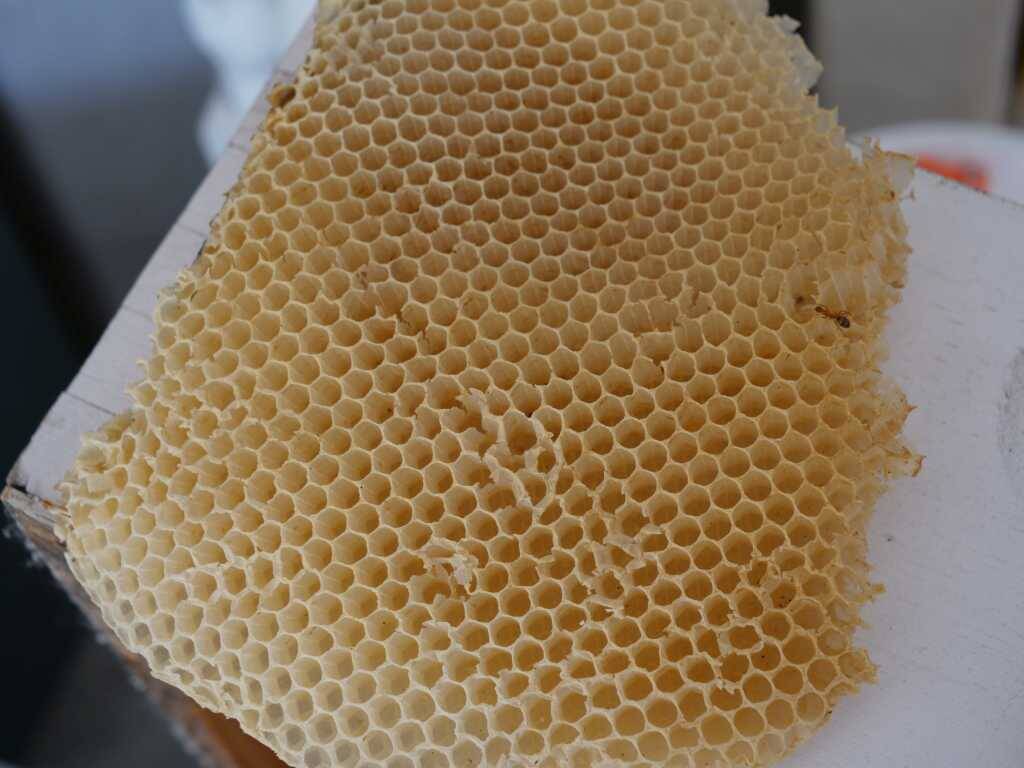
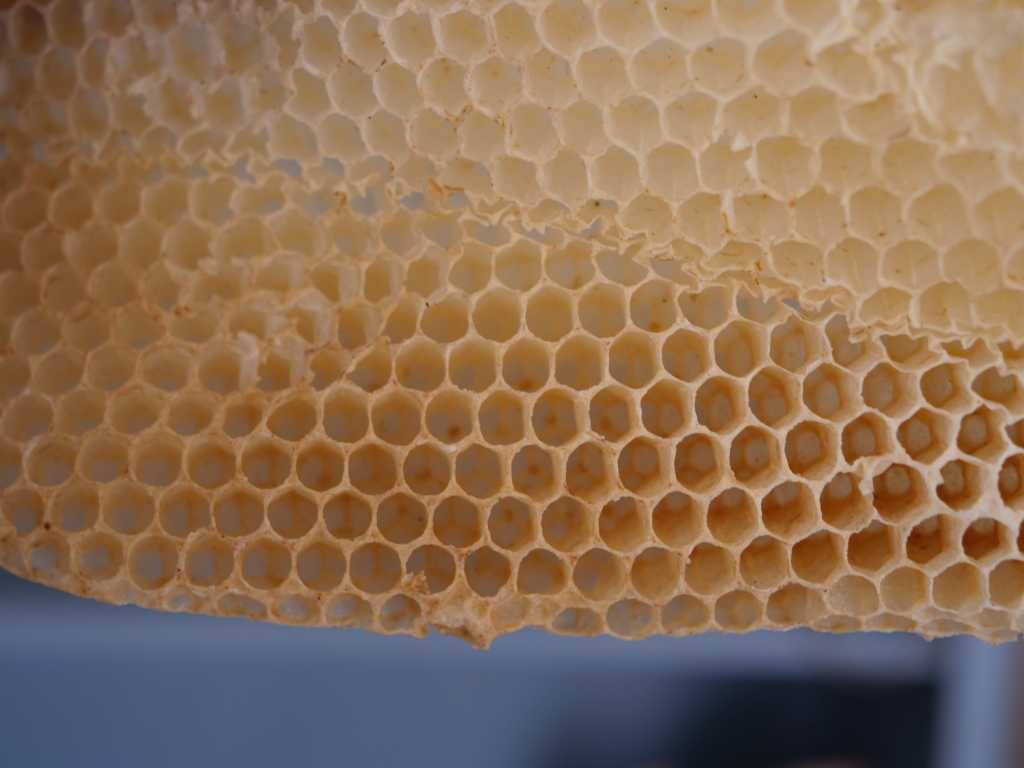
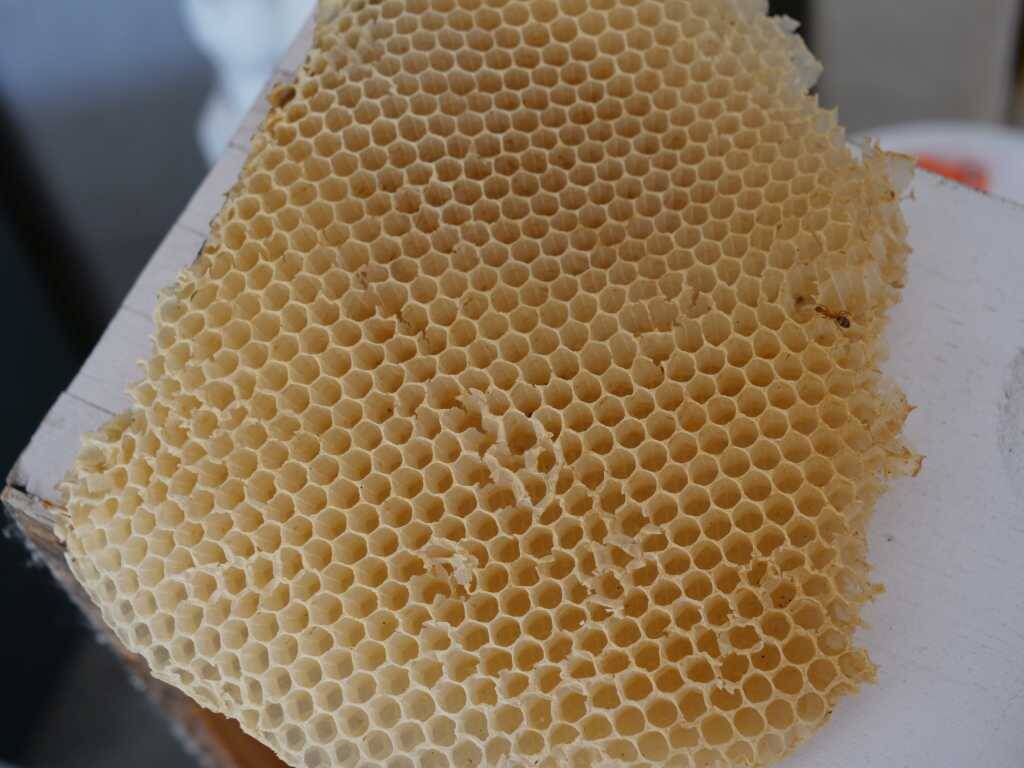
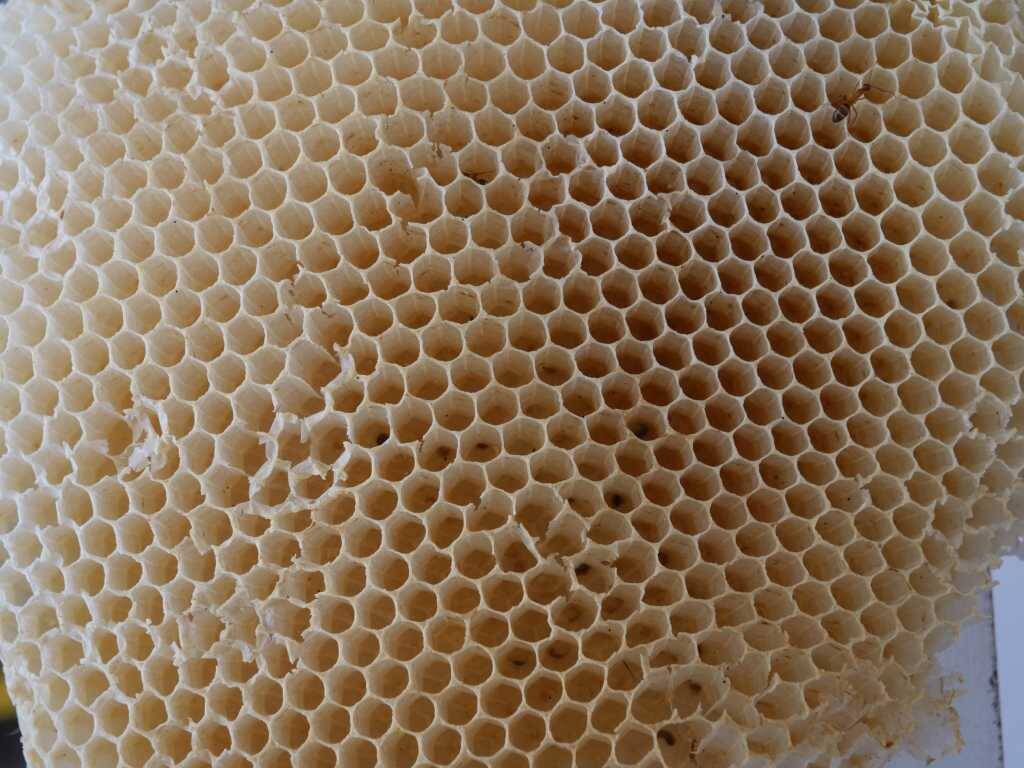
I try to look to natural designs for inspiration