

There are alot of components to doing this
Update: This learning esp32 and arduino IDE has been going along for a while. I add to this specific post because I actually want to develop this concept to a completed product. A product that can be duplicated for your needs, things like recording vibrations on a bearing or motor, so you have data to refer to and trend. Yes this can be purchased outright for arounf 1000 bucks but then again there is no learning involved.
The objective is to configure a program called vibration toolbox and provide data to this to figure out how to trend a component. My specific use is on a small motor test stand for drones to gather data on different parts and props. The test stand has this capability in a limited form, it also using an accelerometer chip but it's designed into the fixture and I want to be able to move the sensor around.
______________________________________________________________________________________________
This is putting together the concept of a motor vibration sensor and data logger. The need comes from wanting to get vibration reading from the outboard locations of a flying drone. The idea is to have a unit that can attach to the drone strut close to the motor propeller combination.
There are a few commercial units, issues like to heavy, or to big pose problems plus with most there are propritary softwre apps that have to be purchased, by the time your done setting up several hundreds are spent.
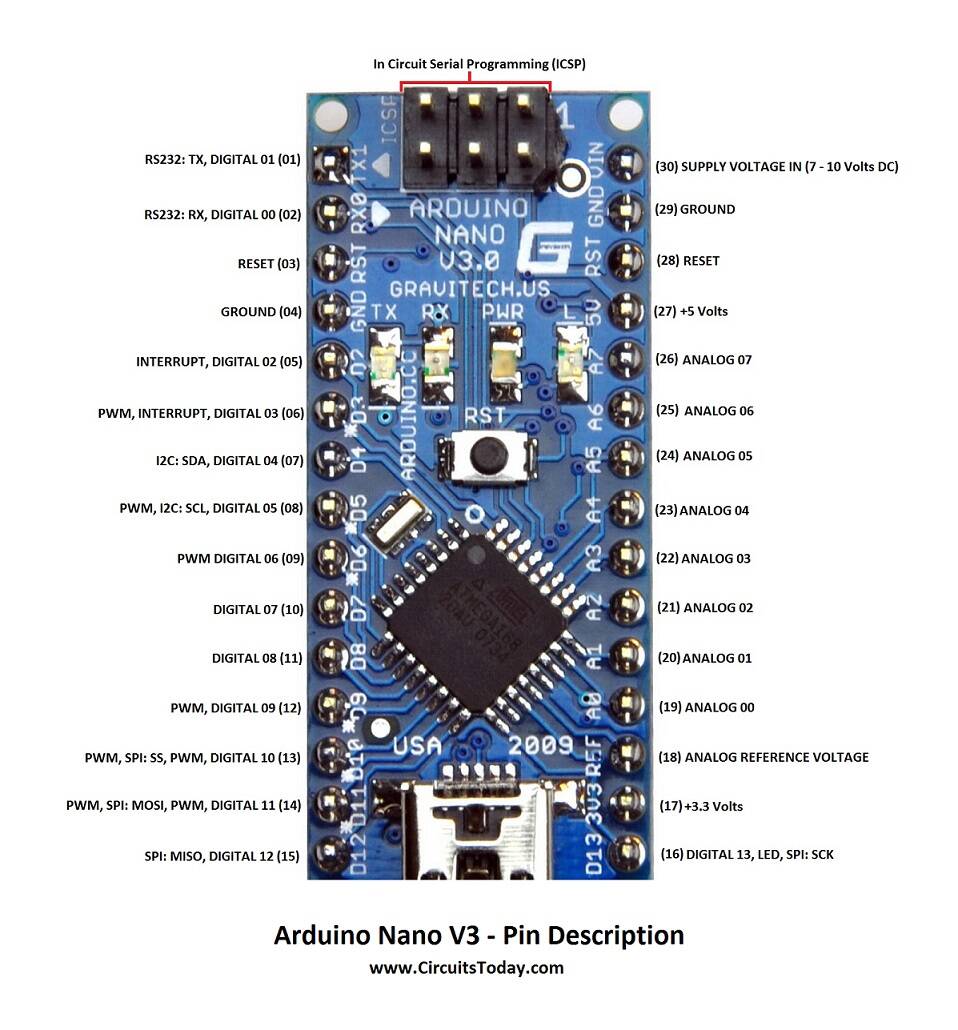
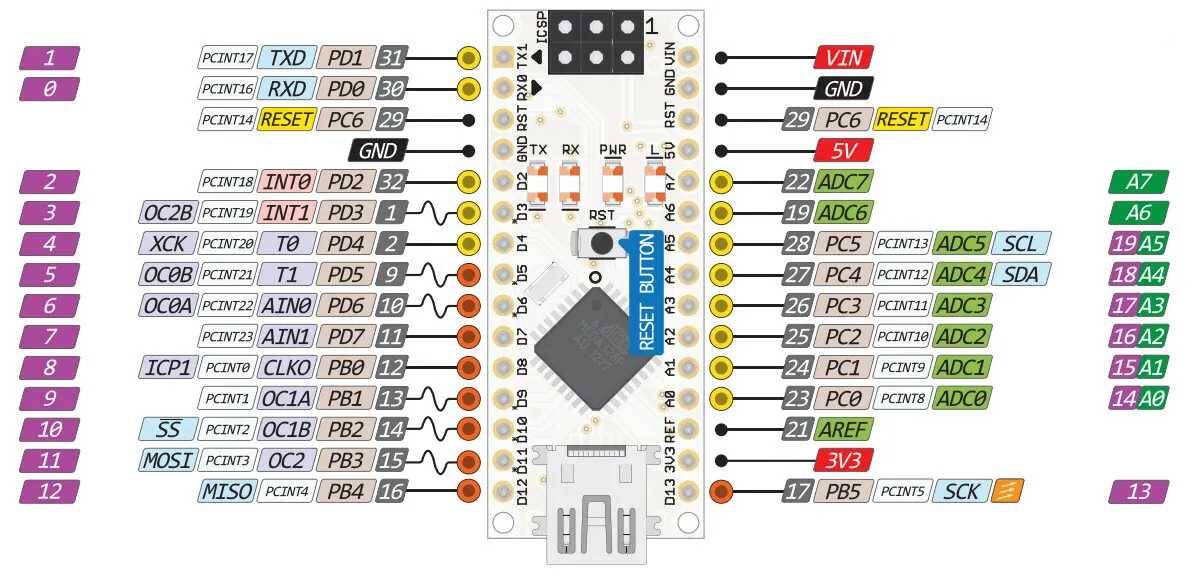
If we can determine the right sensor, use a arduino nano and a data logger this might work.
a look at some alternate sensors other than an accelerometer here

The research resulted in a slim unit using affordable components and minor soldering
I found 2 examples of builds, the first one we will call vib1 and the second vib2
vib1 uses a nice produced datalogger board that attaches to the nano, looked promising but so far the IDE will not compile the sketch
vib2 we are using this build instruction
https://www.instructables.com/Simple-Arduino-3-Axis-Accelerometer-Datalogger/
https://cdn2.hubspot.net/hubfs/637862/software/VibrationData_Toolbox_1_mcr.zip
Also contrary to what others have said, this board is not an SDI to SPI converter. [Micro]SD cards natively communicate in either format. This board does perform level shifting, however, which makes it rational to use the included card slot with 5V microcontrollers with little risk of destroying the card (many cards won't tolerate a 5V power supply).
Finally... depending upon your coding ability, you can use this card slot with any 5V microcontroller or microprocessor, with or without hardware SPI support, provided that you're willing to bit-bang the SPI. It isn't difficult.
SPI port uses MOSI (Master Out - Slave In) data wire, MISO (Master In - Slave Out) data wire, SPICLCK Clock wire from the Master to the Slave and CS (Chip Select) from the Master to the Slave.
Arduino Board is the Master and the SD board is the Slave.
This board can be connected to any SoC or Microcontroller with standard SPI interface.
Making alot of progress learning the ins and outs of Arduino IDE, and with their newer versions that actually work, moves things along and also illuminates pitfalls and mistakes. Because the hobby is pretty inexpensive and with amazon selling chinas copies its easy to get alot of garbage devices. As a policy I stay away from china made, one because they suck and two because they are the enemy of the US. I'm sure there are some real good people in the CCP but I dont support them and would prefer to help US development. US made is alot better it's just 3 times the cost BUT, the stuff works and the tech support is in English.
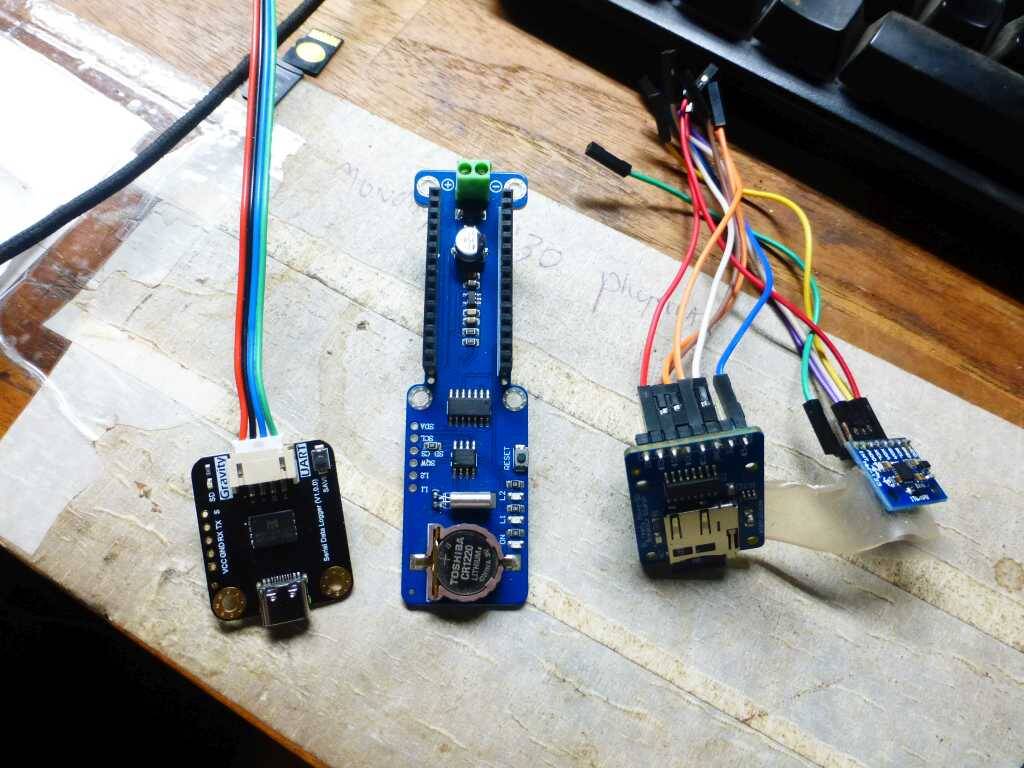
Therse or data loggers I have purchased and none work. Yes the software see's them but writing and retreving data is a no go. The long one is the worst, no info what so ever, one is Adafruit, one DFROBOT, I had high hopes for the DFROBOT one but it also doesn't include all the necessary information to get it functional.
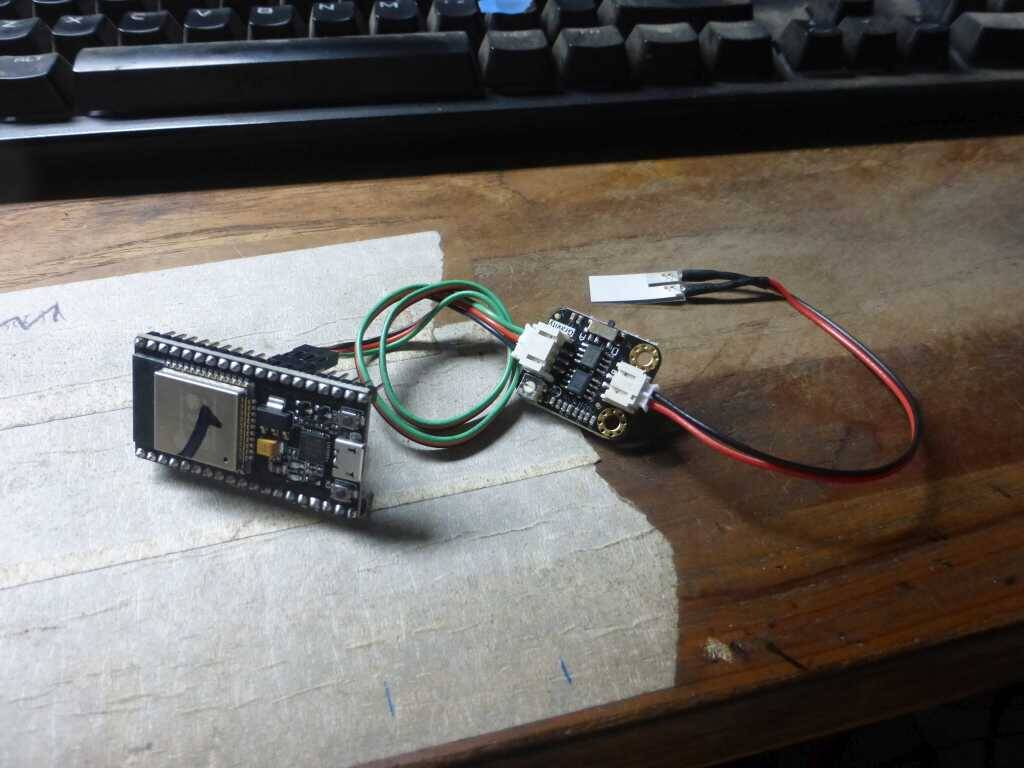
The new plan is to ditch the Datalogger and try to setup a sensor to an esp32 wiFi
Not there yet!
What is Gravity?DFRobot Gravity Series is a high quality open-source, modular, plug and play electronics toolkit for everyone to create anything easily. With powerful expansion shields,various professional functional modules with standard interfaces and clear documentations, Gravity Series allows users of any skill level to easily connect and mix to realize ideas or develop projects.
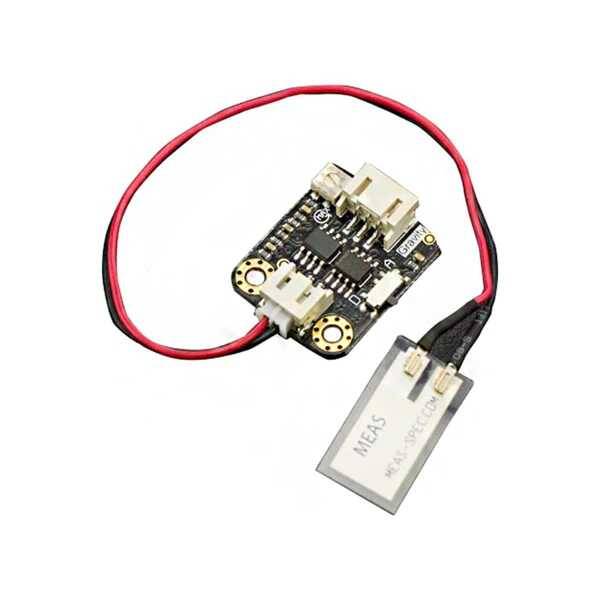
The Gravity Flexible Piezo Film Vibration Sensor is an Arduino compatible piezo film vibration sensor. It is made up of flexible piezo film and converter board. The sensor is able to detect vibration, flexibility, impact and touch.
The film is a flexible component comprising a 28 µm thick piezoelectric PVDF polymer film with screen-printed Ag-ink electrodes, laminated to a 0.125 mm polyester substrate, and fitted with two crimped contacts. As the piezo film is displaced from the mechanical neutral axis and bending creates very high strain within the piezo polymer, high voltages (about ±90V) are generated. When the assembly is deflected by direct contact, the device acts as a flexible "switch", and the generated output is sufficient to trigger MOSFET or CMOS stages directly.
The module uses universal Gravity 3Pin interface that is easy to plug and play. It comes with Digital and Analog two output signals, which is suitable for all kinds of different applications. The piezo vibration sensor is not only able to detect strong shocks, but also to detect slight vibrations. There is an on-board sensitivity adjustment potentiometer, you can adjust it to increase/decrease the output threshold value.
https://wiki.dfrobot.com/Gravity__Flexible_Piezo_Film_Vibration_Sensor_SKU__SEN0209