

Update:
This post moves from just trying to get voltage from a 18650 to building a DL24 capacity tester
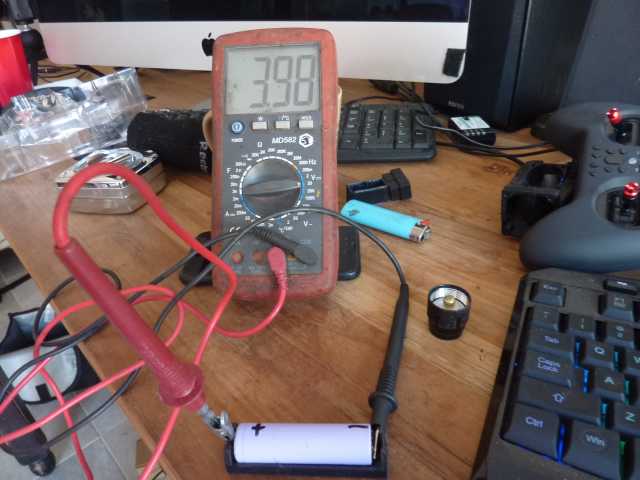
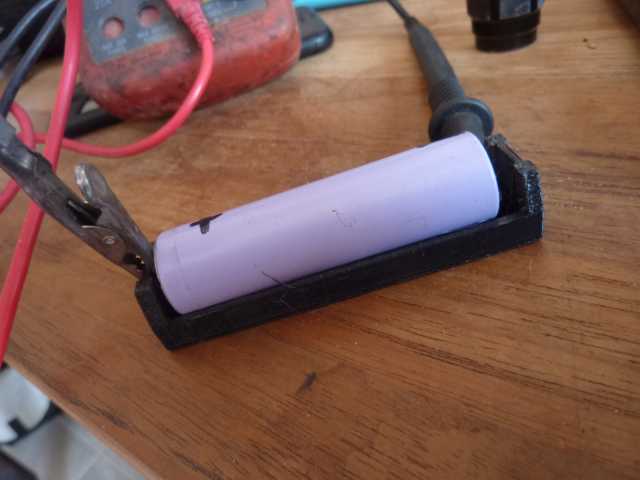
this simple 3d print battery holder works great , use alligator clips on the probe ends
After reading about issues and solutions for this 18650 battery that was dead I was able to bring it back to life.
Connecting a good battery to a undercharged one brings the under charged battery voltage to a level where it can be recharged.
This is very quick process, 1 minute, check voltage on dead battery. You have to bring up the voltage enough to allow a charger to charge it.
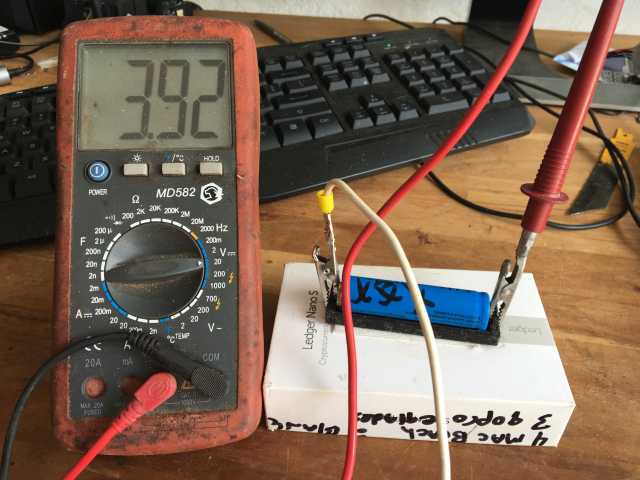
What about internal resistance and how can this be determined. I purchased a unit that looked promsing but further testing is required. The results were all over the place.
The next testing will be comparing the results from the battery condition tester and then compared to the internal resistance tester. The objective will be to create a chart that compares the internal resistance to the overall condition result.
Although batteries’ internal resistance would ideally be zero, internal resistance exists due to a variety of factors. Internal resistance increases as a battery degrades. On battery cell production lines, defective cells are detected by comparing the internal resistance of tested cells to that of known-good reference cells
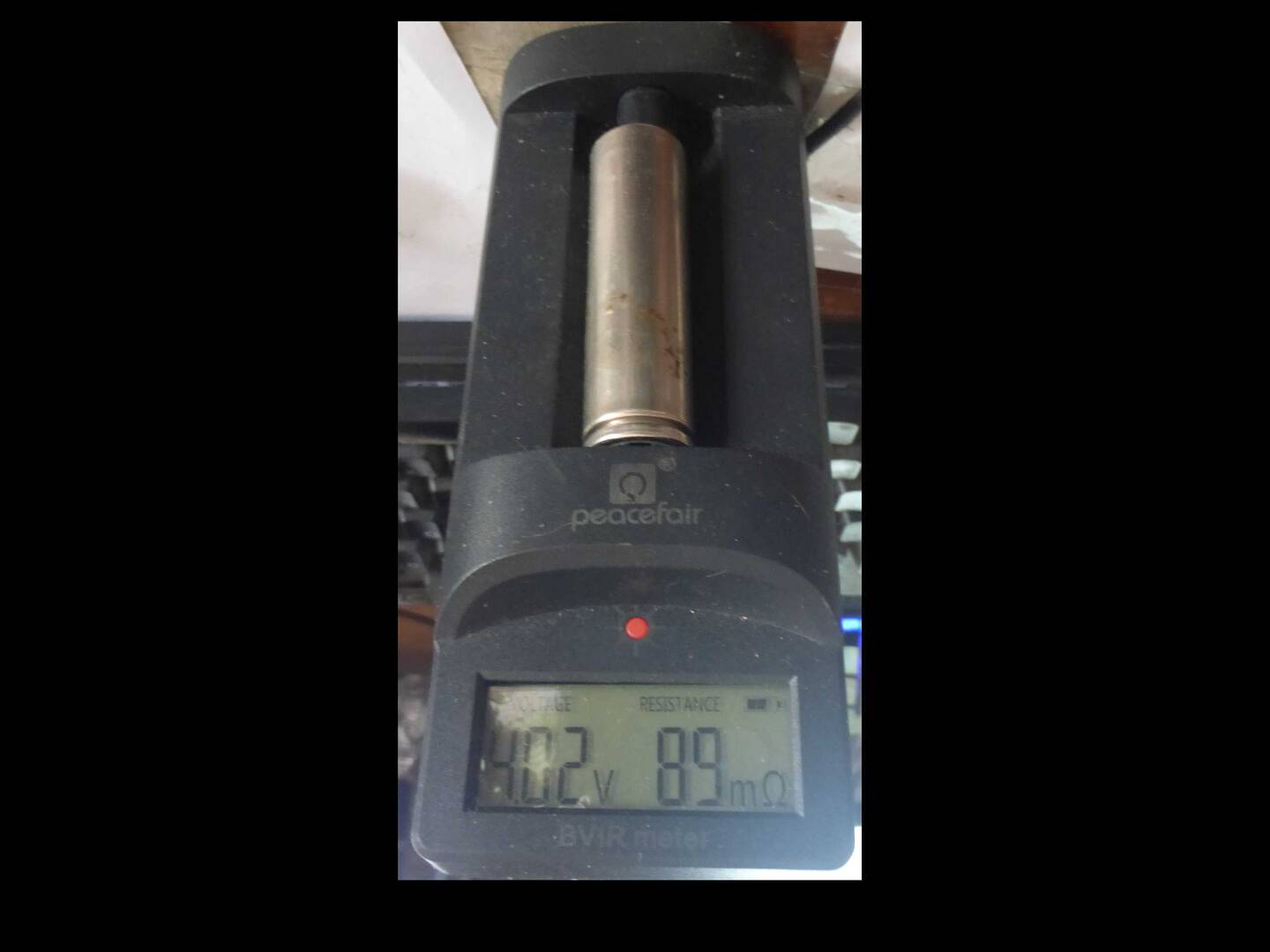
.
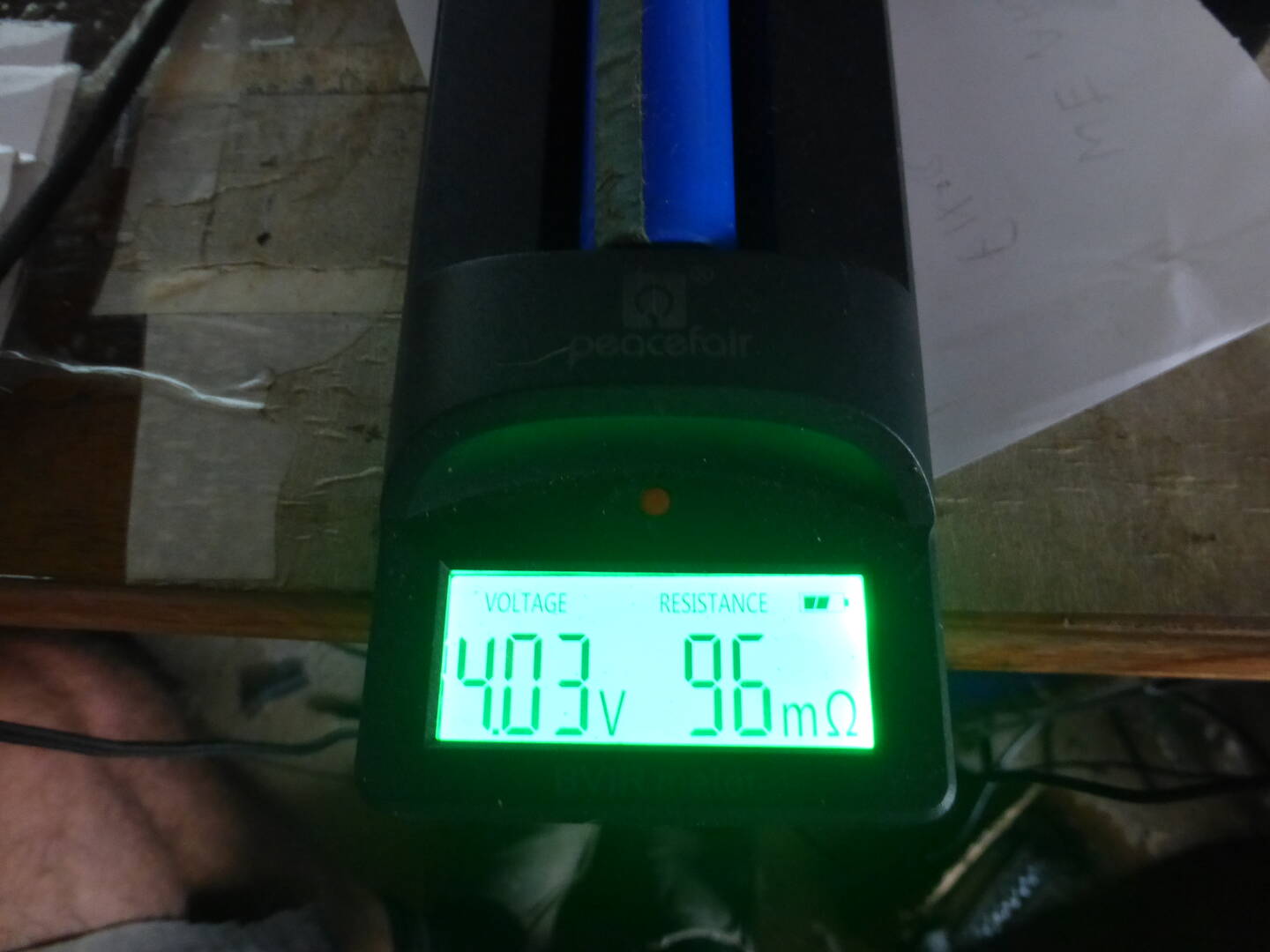
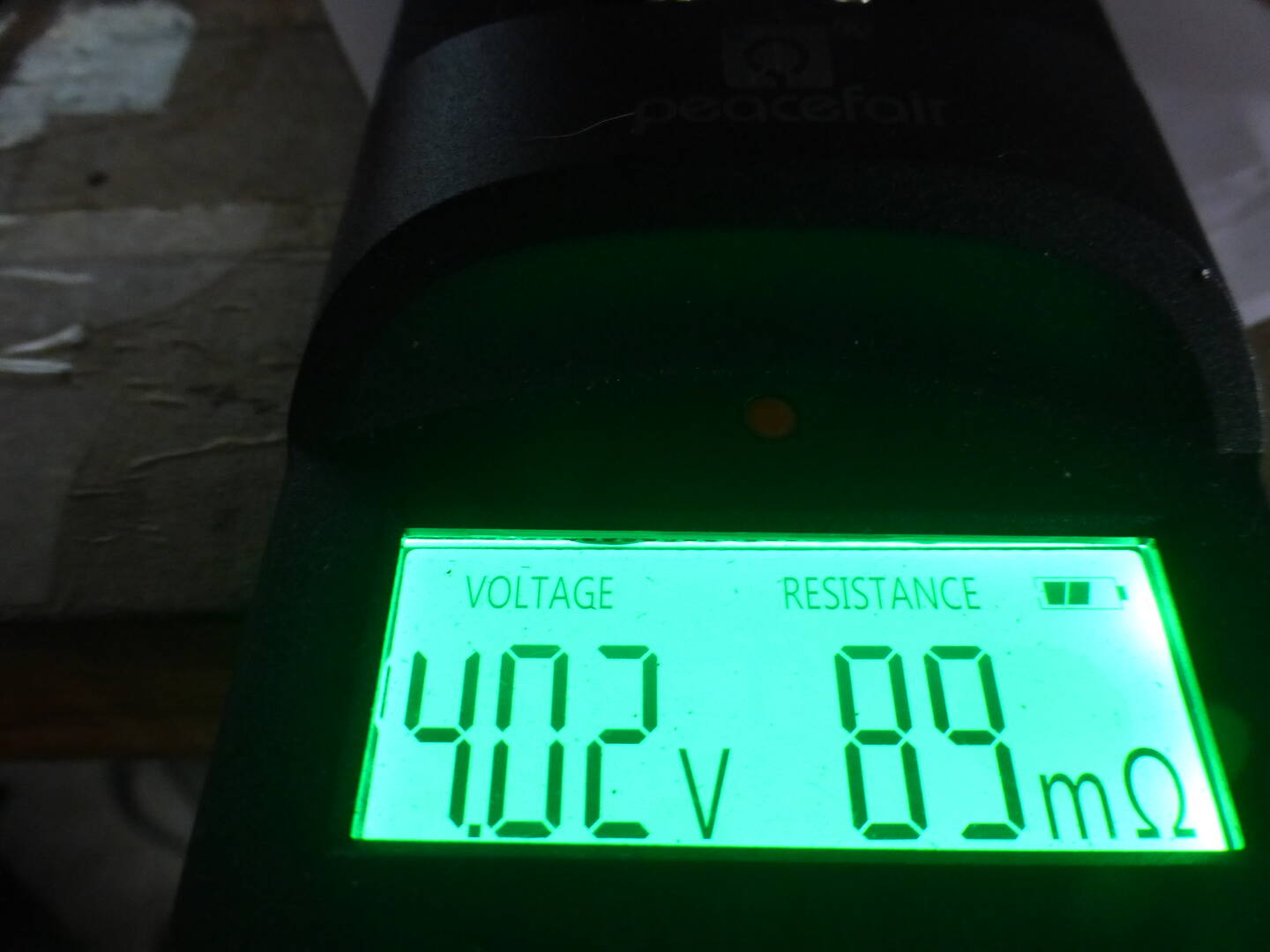
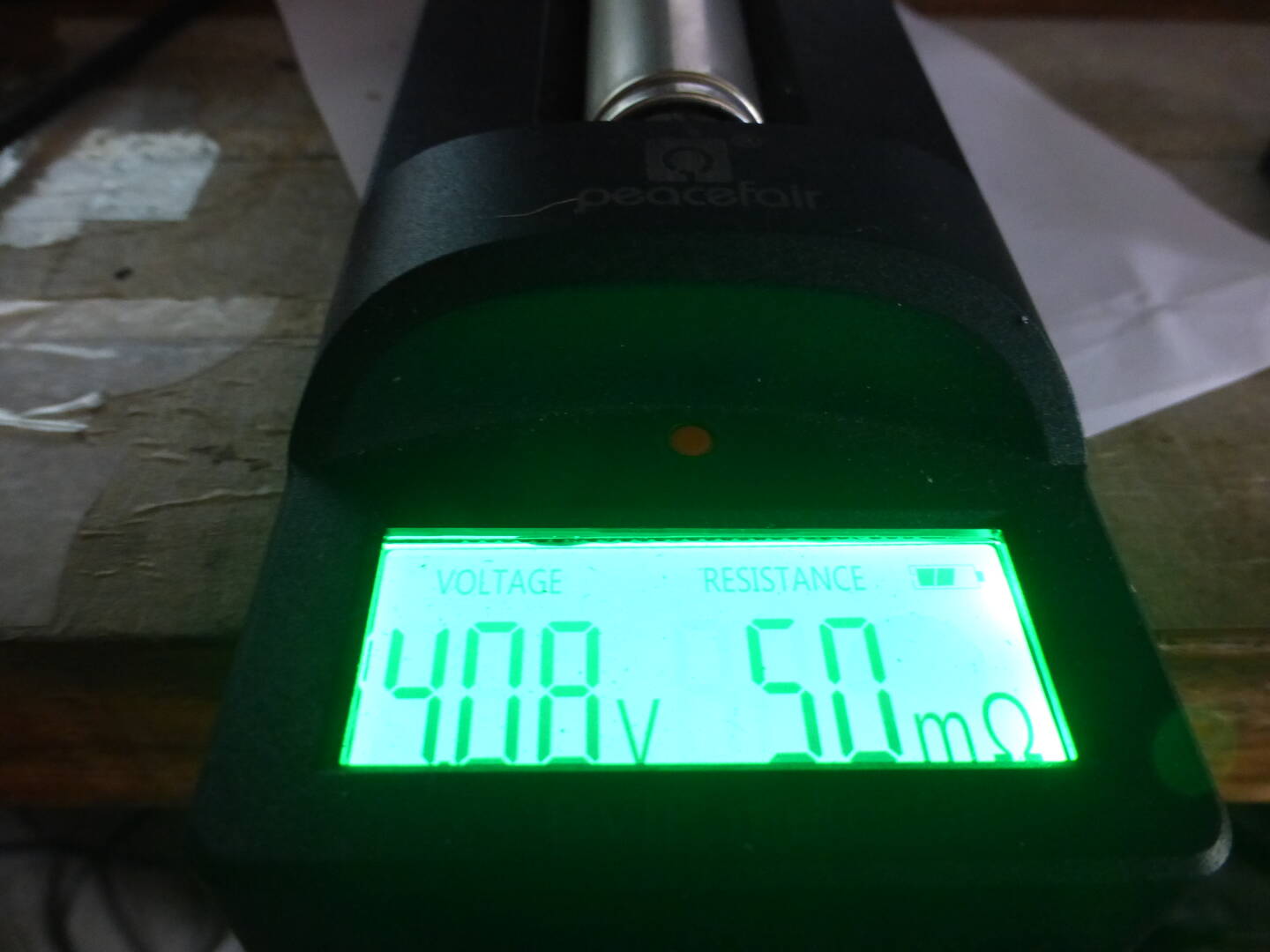
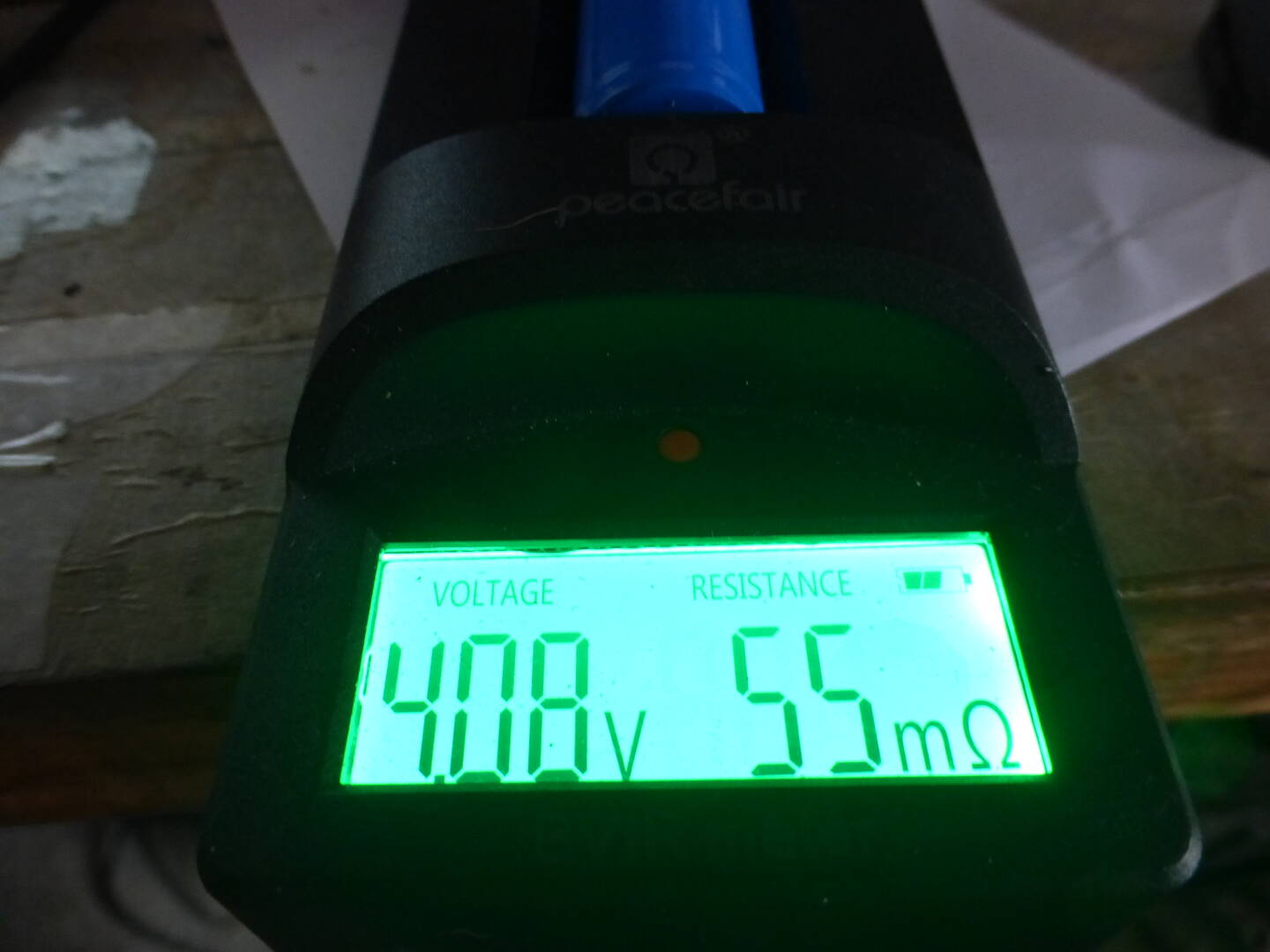
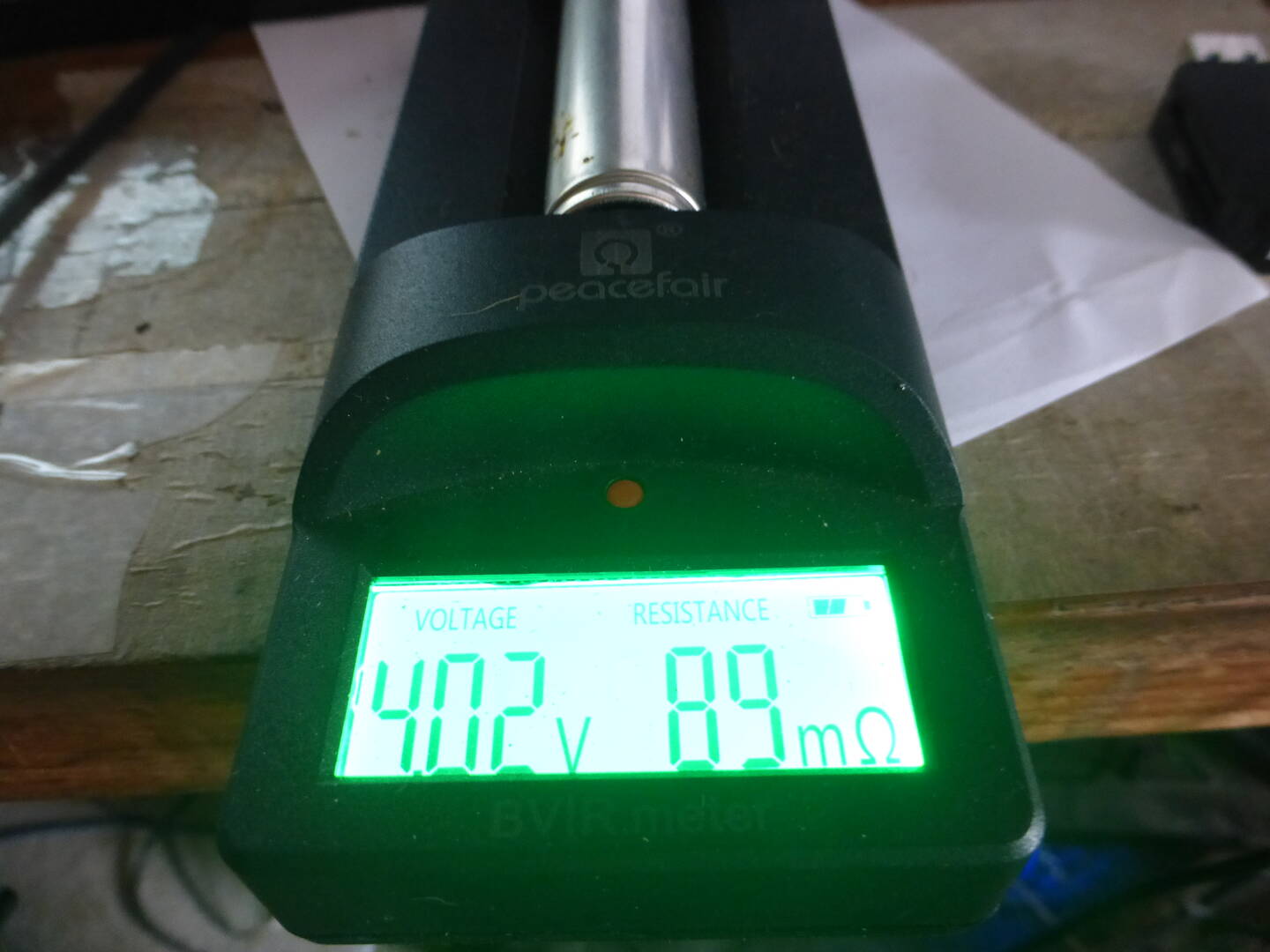
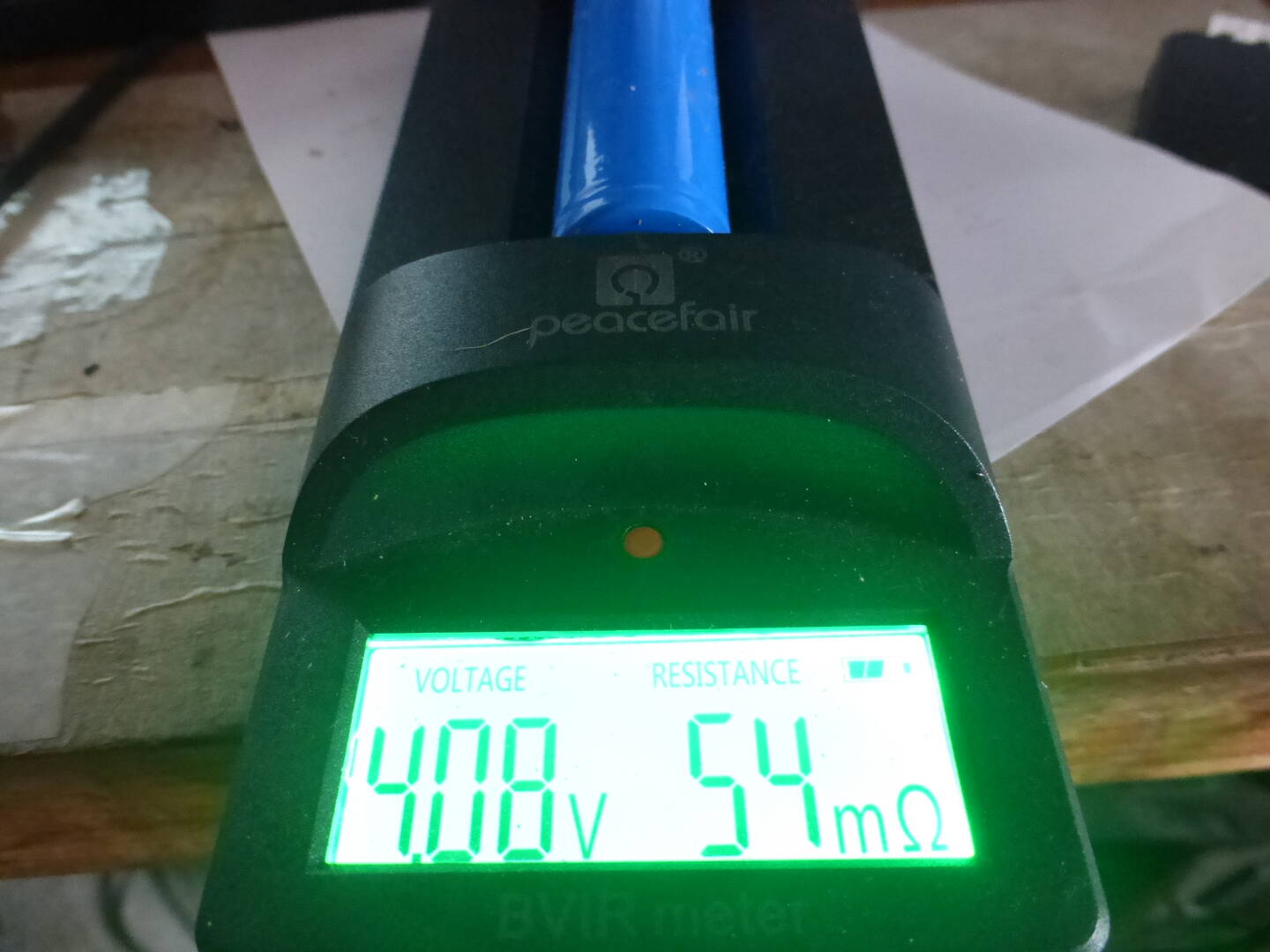
This is the next step, without spending hundreds this DL25 unit can be had for about 40 bucks. There is one with alot of unnecessary capibility but I opted for the 180watt unit. it has bluetooth but the app really didn't work, even the usb connected app is unnecessary, the objective is to connect a battery and run it down and find the capacity. I 3d printed a case that works pretty good. Once I ran the unit through about 4 batteries I figured it all out.
A great thing I found was using some small strong magnets to hold the connections to the batteryI
was able to progress with the DL24 and things are getting clearer. Their pc program is in china text but figuring it out comparing with the unit works.
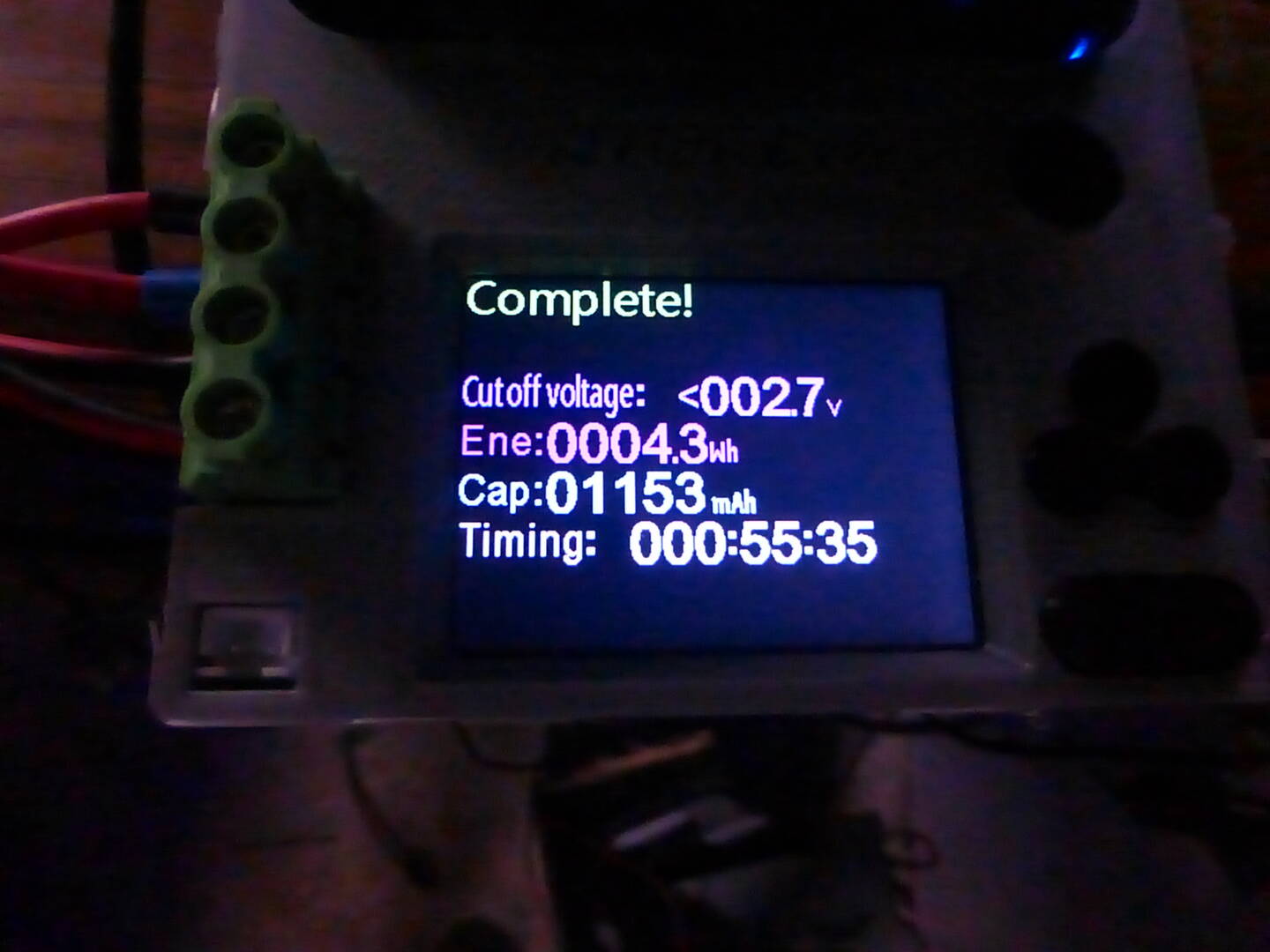
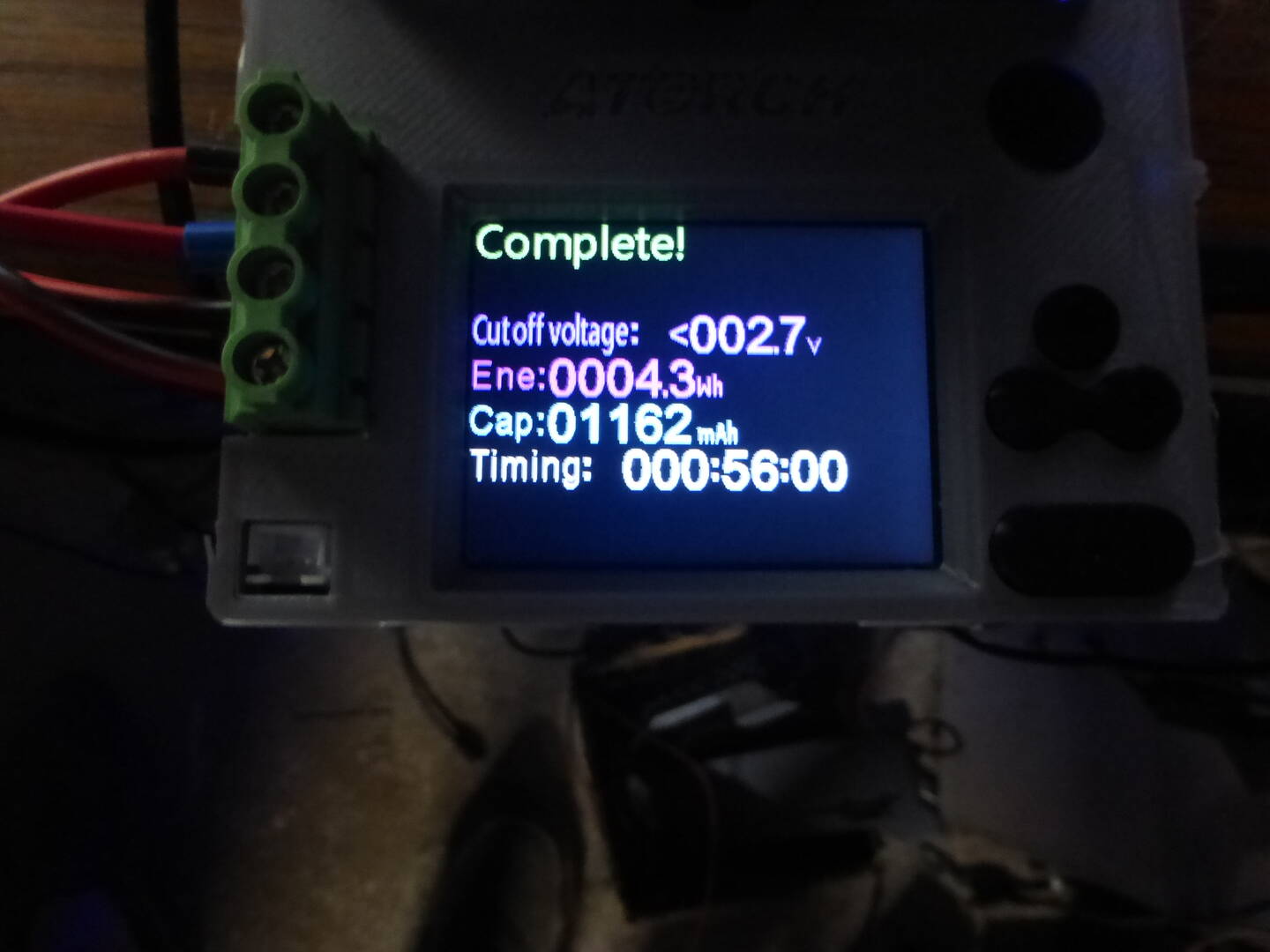
The unit finished. the volts were not 2.7 so i started it again, it ran for about 40 secondes and completed again
Now I will do some measurments and record them to compare with other batteries until I reach a conclusion that will allow a standard testing format
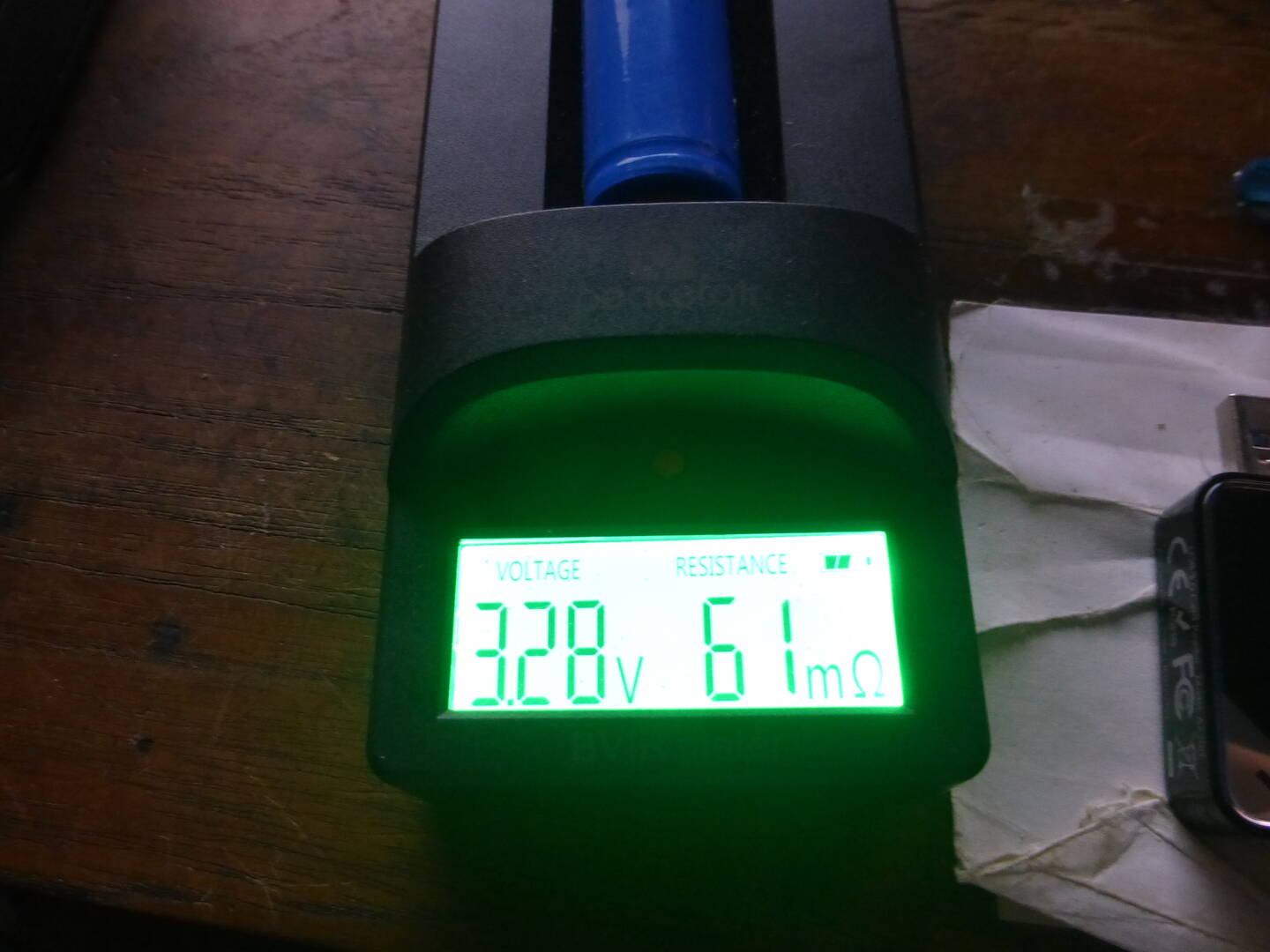
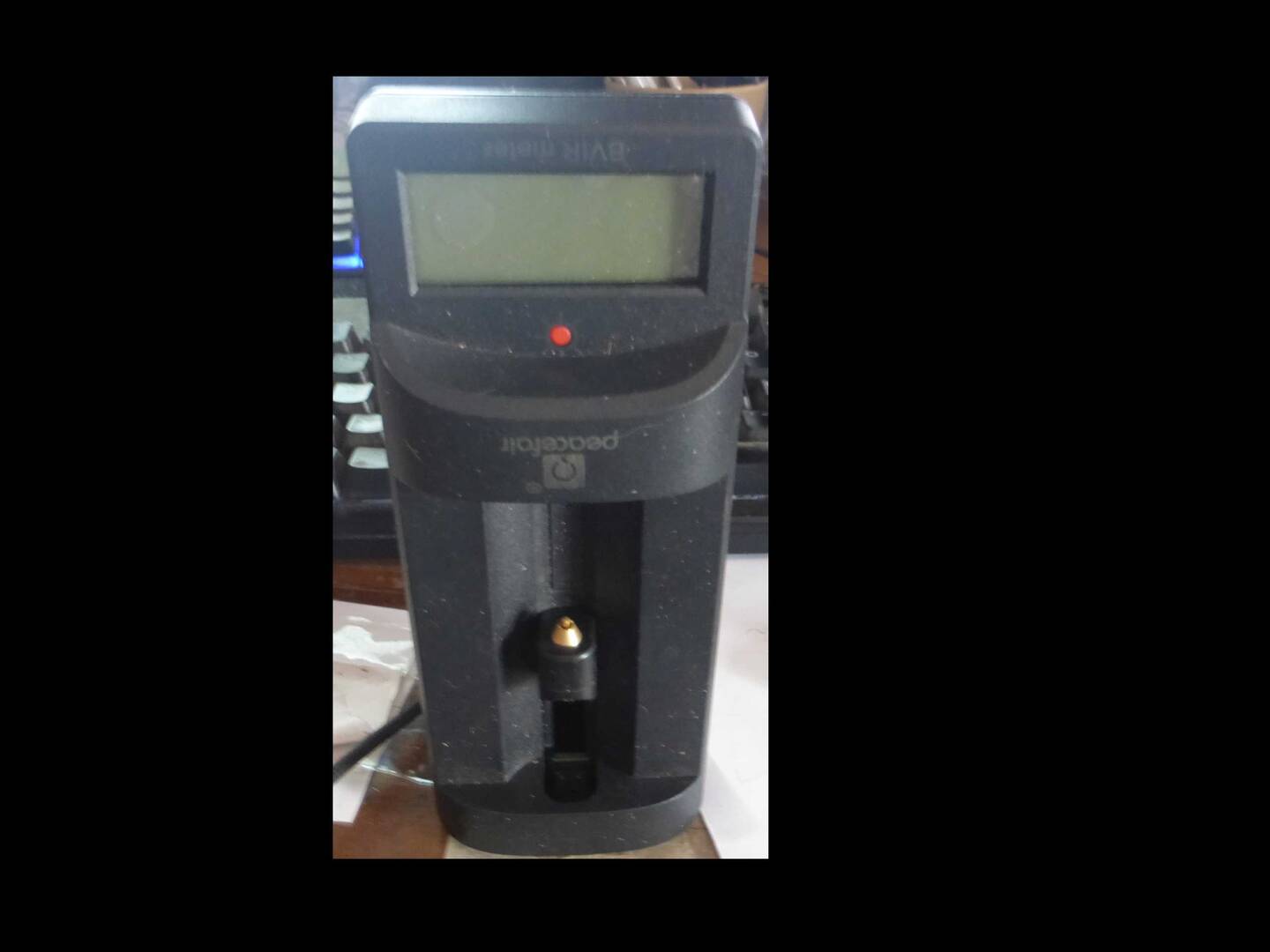
This is the resistance tester with the battery just ran. it again shows 3.28. It shows 3.27 with my multimeter.
This is a new unbranded battery, purchased installed in a very cheep china head lamp. I will run the test again after charging
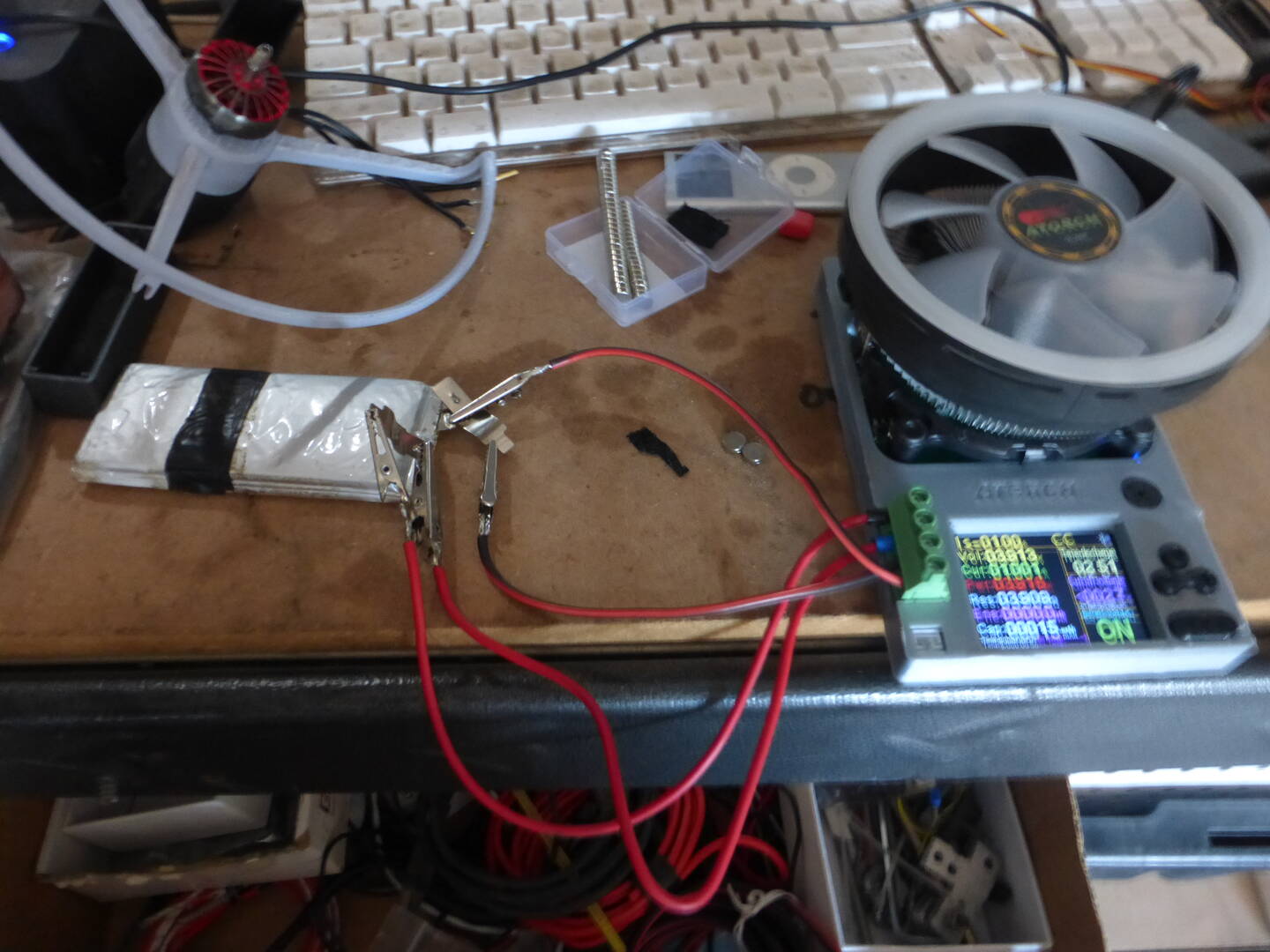
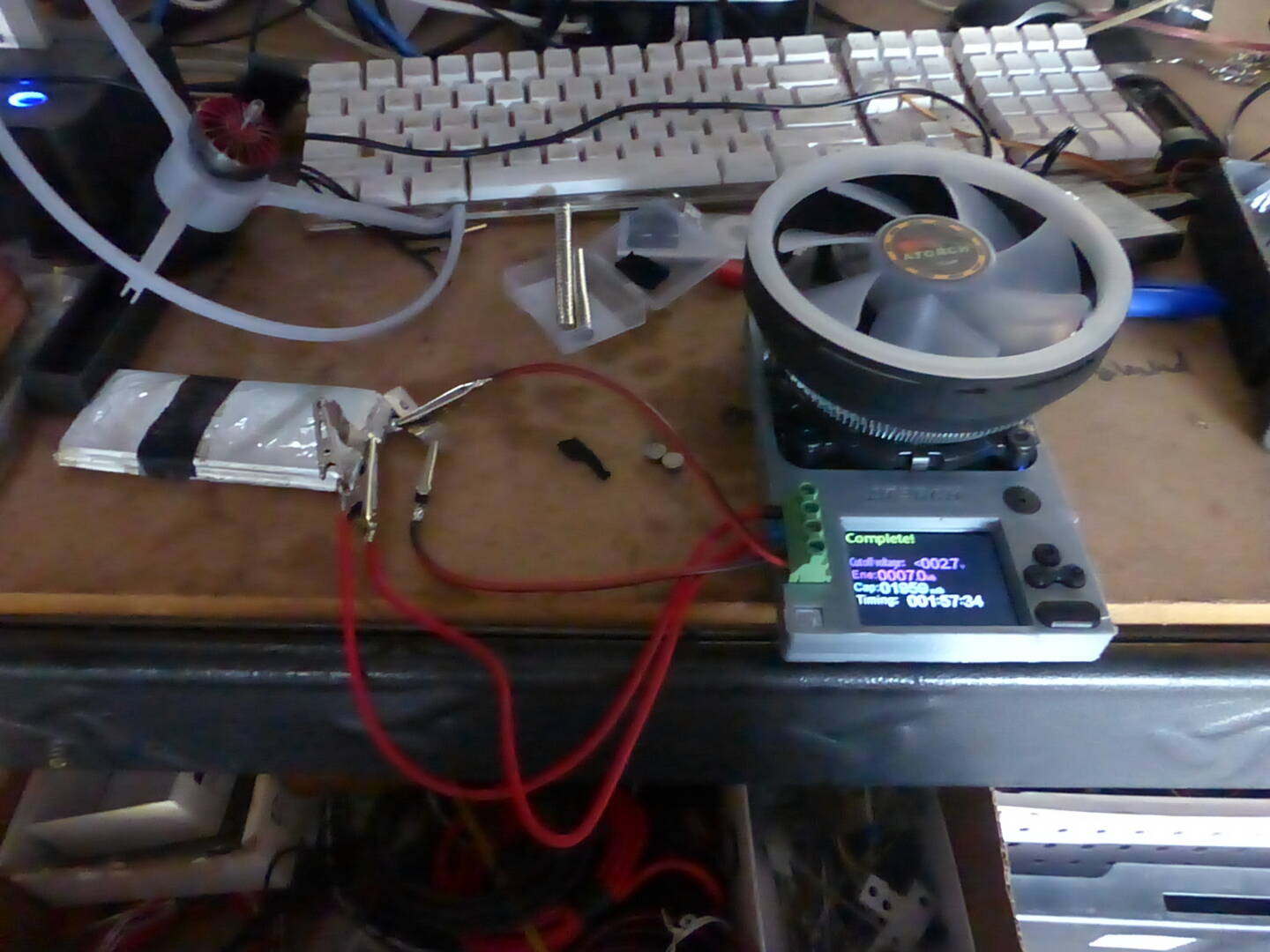
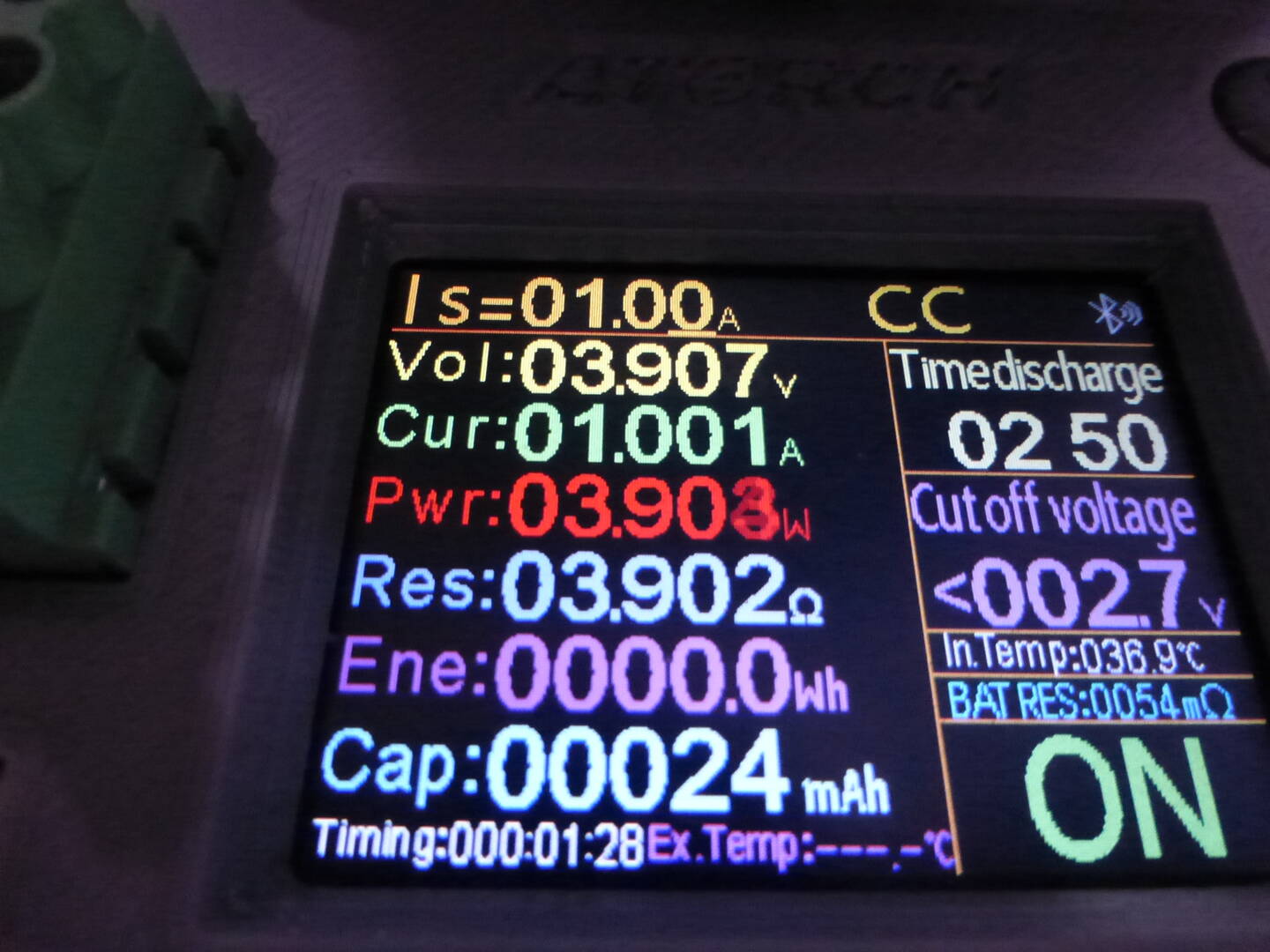
single lipo pack extracted from a battery pac
Lets recap and close this post
The menu has to be accessed and data zeroed out between each test.
There is wifi but it's useless
there is usb control and an app for win but it's in chinese
This appears to be a functional solution and I have purchase more units
A log post with battery tests will follow
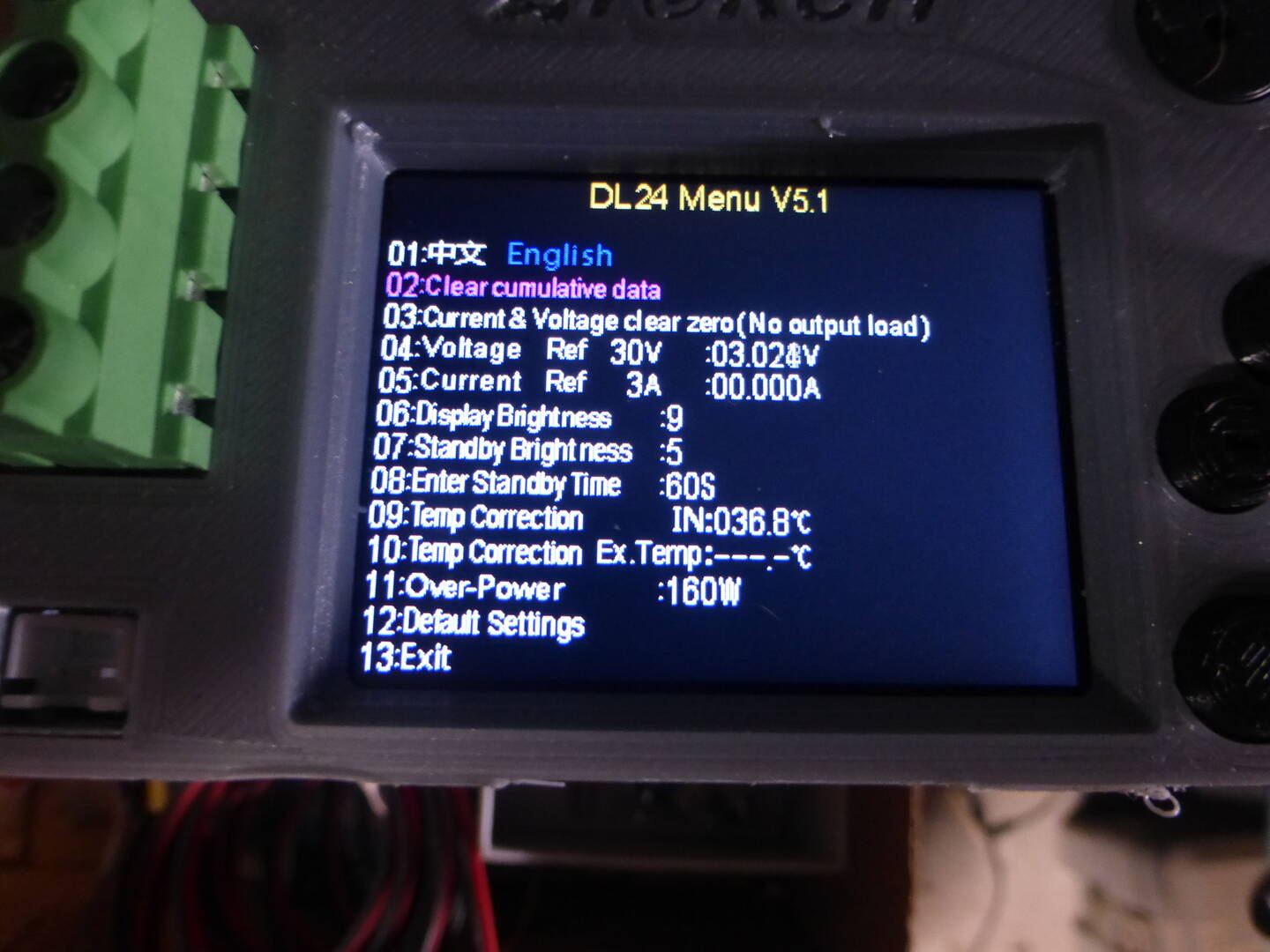
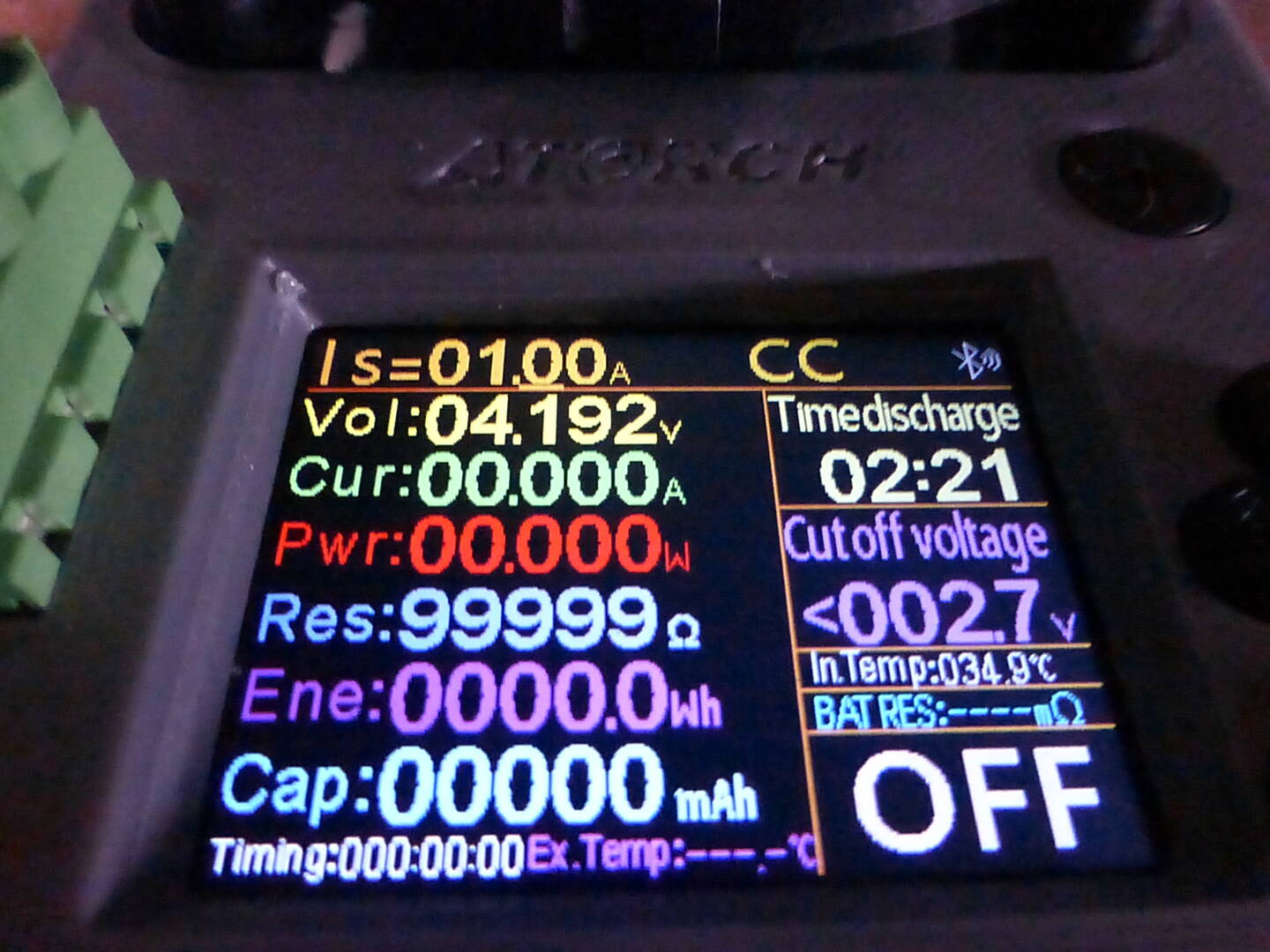
This is the link to the case files I am using