It’s van build time
Transit 3500 Lift Build — Front Suspension Geometry
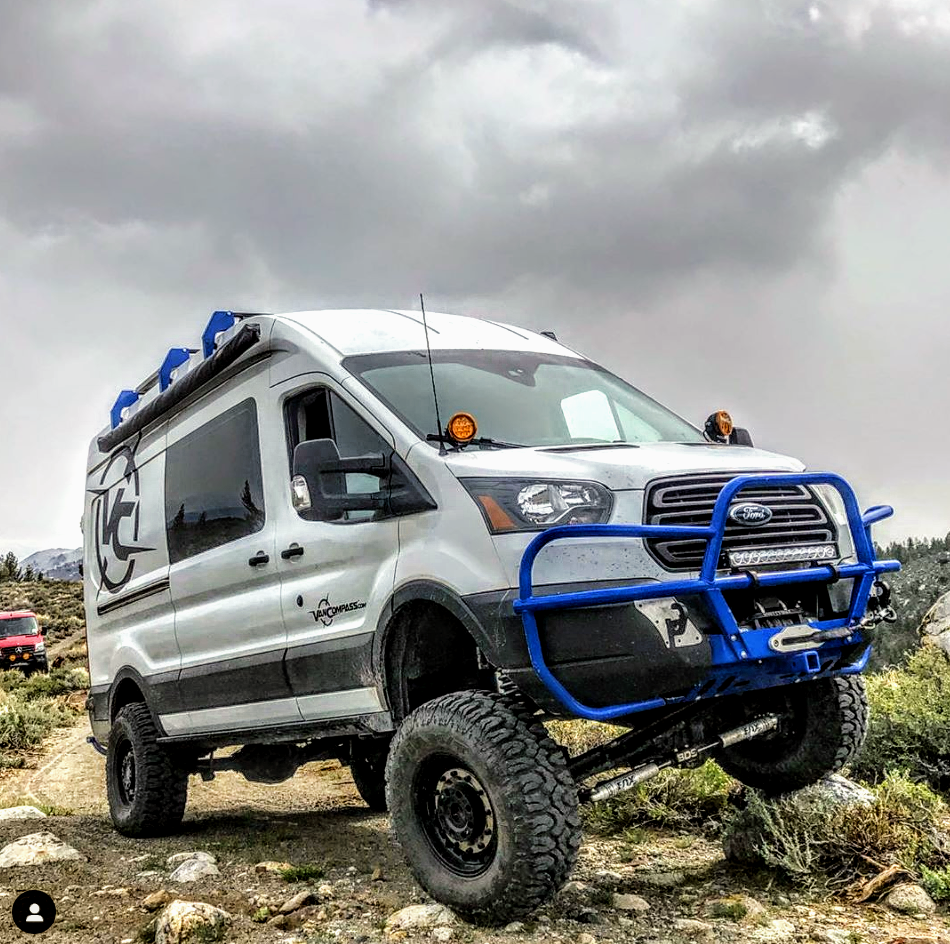
🧱 Transit 3500 Lift Build — Why This Front End Isn’t Like a Truck
Working on lifting my Ford Transit 3500, and this is the part most people miss:
⚠️ This front suspension is NOT adjustable like a truck
From the factory:
Toe = adjustable (tie rods)
Camber = fixed
Caster = fixed
There are no factory adjustments for camber or caster. That’s not an oversight — it’s by design.
🧠 Why Ford Built It This Way
The Transit uses a MacPherson strut setup:
MacPherson strut suspension — strut, lower control arm, and tie rod form a fixed triangle
- Strut = structural member
- Lower control arm = single pivot point
- Tie rod = steering only
It’s simple, durable, and cheap to maintain — perfect for fleet vans. But it also means the wheel position is locked into the chassis geometry.
🔺 What Happens When You Lift It
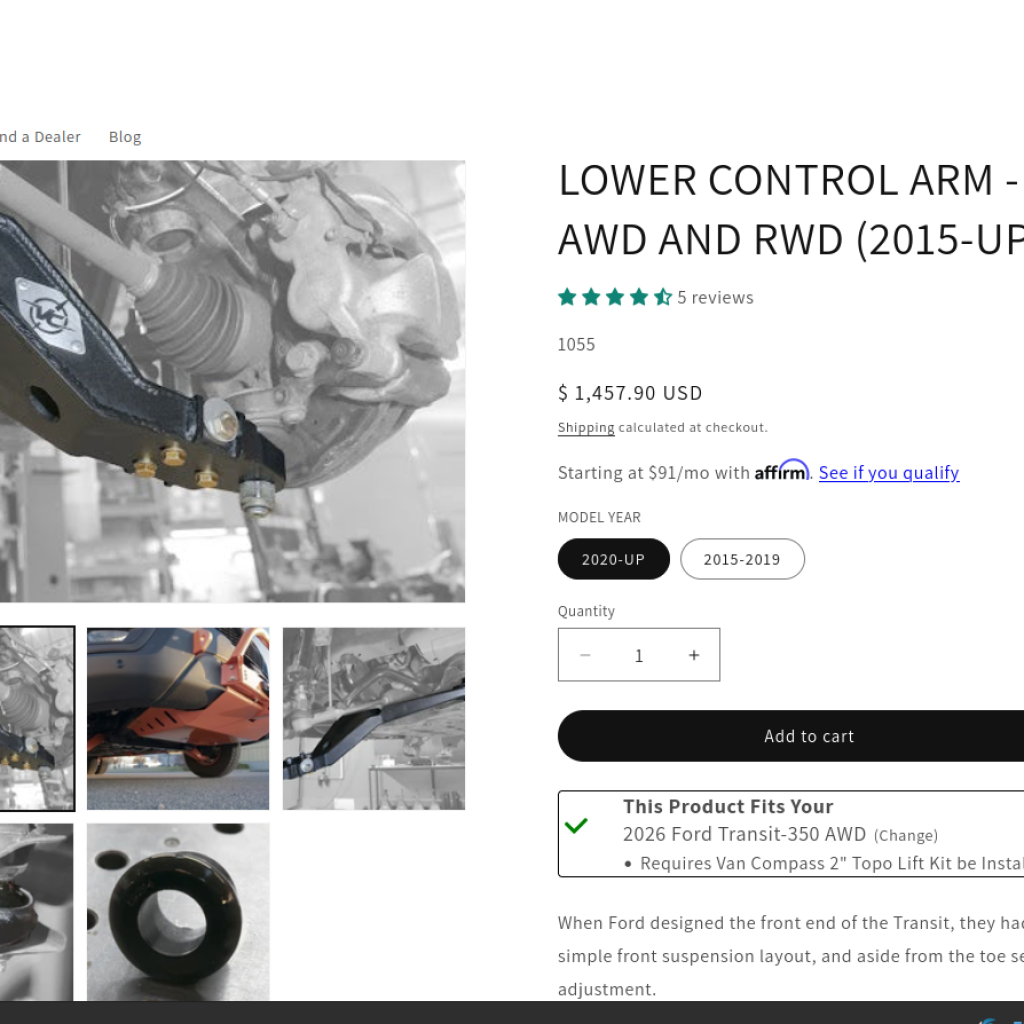
Here’s the actual subframe and control arm layout from Ford’s own diagrams:
Ford Transit front subframe — © 2000–2003 Ford Motor Company. Note the fixed pivot geometry with no adjustment provision.
The second you add a spacer or lift:
- Camber shifts — top of tire leans outward (positive camber)
- Control arm angle changes — more downward angle, alters suspension travel, adds stress to joints
- Steering geometry changes — tie rod angle no longer matches control arm arc, introduces bump steer and wandering
❌ Why You Can’t Just “Align It”
Alignment shops can only adjust toe (via tie rods). They cannot fix camber or caster, because those are set by physical strut position and suspension geometry — not adjustment bolts.
After a lift: you’re stuck with whatever geometry you created.
🛠️ What a Proper Lift Actually Requires
Here’s what the corrected geometry looks like when it’s done right:
Proper strut geometry — the green line shows the control arm angle that must be restored after lifting
Camber bolts or slotted strut holes
Subframe drop (to restore control arm angle)
Steering angle correction (or accept bump steer)
Consider strut travel limits after lift
🔩 Simple Way to Understand It
Think of the front end as a fixed triangle:
- Top = strut mount
- Bottom = control arm
- Side = tie rod
When you lift the van, you stretch the triangle — but you can’t adjust the angles back.
💬 Bottom line:
This isn’t a “lift it and align it” platform.
It’s a “lift it and re-engineer the geometry” platform.
Ford built it for reliability, not modification — so if you’re lifting one, plan for that. Posting this so others don’t go down the same rabbit hole without understanding what’s actually happening up front.